Transporting fossils to China: Legal requirements
You can’t simply pack them up and ship them off: Ecovis consultants were tasked with transporting two Tyrannosaurus rex skeletons to a museum exhibition in Beijing. The legal preparations required for this were extensive: export control law, cultural property protection, international contract law, customs procedures, insurance, and diplomatic coordination all had to be managed simultaneously and in close alignment.
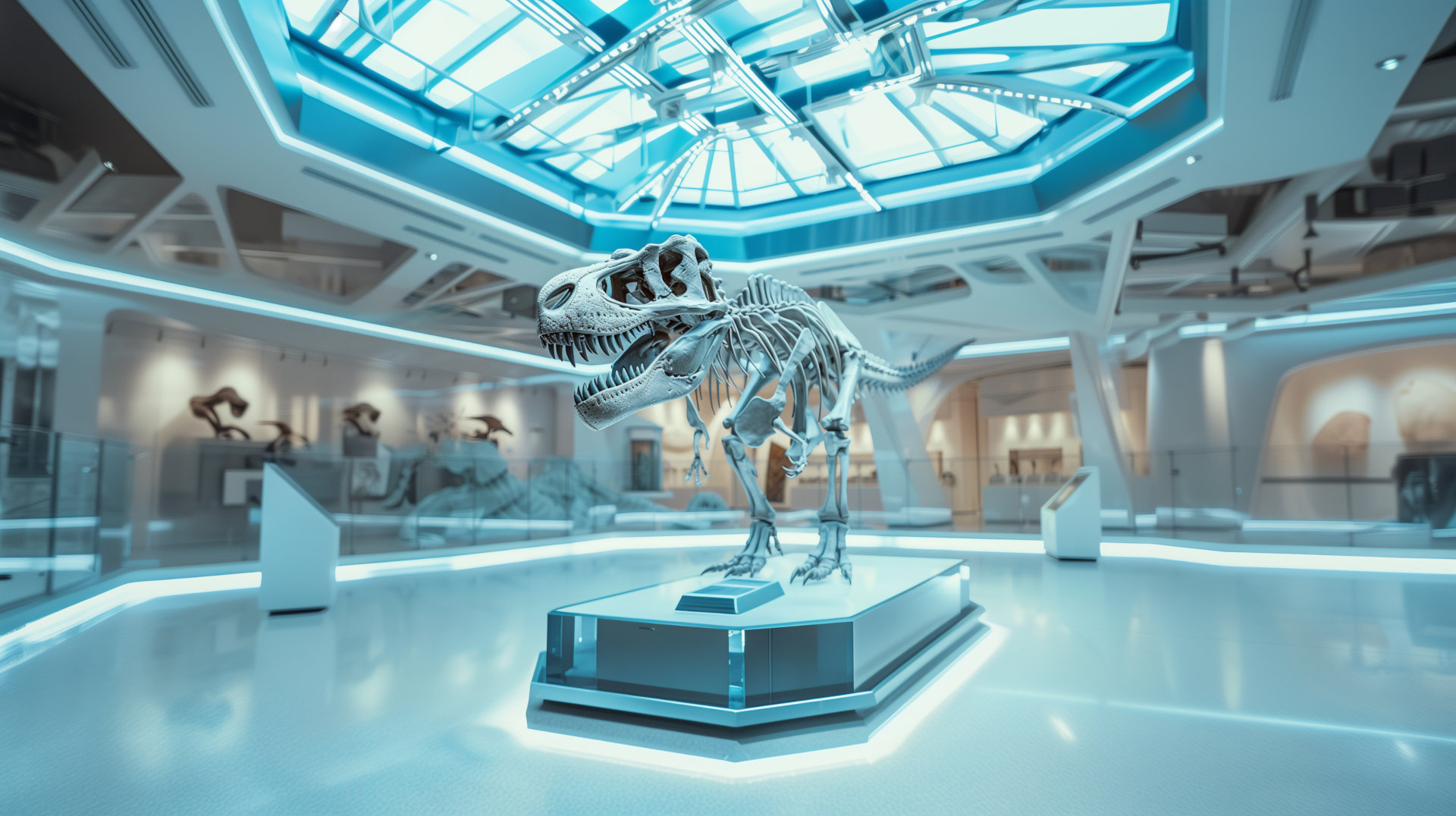
The two specimens, which lay underground for 67 million years, were Rocky – the only known juvenile T. rex skeleton in the world – and Regina, his fully grown mother. The irreplaceable nature of these objects significantly raised the standard of legal care required throughout.
Contact Person

Collaborate with partners in the destination country
A reliable institutional partner in China is a prerequisite for a project of this kind. That partner must assume formal responsibility on the ground and serve as the primary liaison with Chinese authorities – from customs clearance to the issuance of all necessary permits.
Implement the contractual provisions of the states involved
The contractual framework comprised several interrelated agreements, each required to satisfy both German and Chinese law simultaneously. Standard templates are wholly inadequate for this purpose.
Anyone seeking to transport palaeontological objects or works of art internationally should seek legal advice at the earliest possible stage – not as a precaution, but as a prerequisite.
Richard Hoffmann, Lawyer, ECOVIS Rechtsanwaltskanzlei Richard Hoffmann, Ladenburg, Germany
Fulfil extensive documentation obligations
Export from Germany is governed by the Cultural Property Protection Act (Kulturgutschutzgesetz), which demands thorough documentation of the object, its provenance, and its intended use. Deficiencies at this stage can jeopardise the permit. On the Chinese side, customs law provides for temporary duty-free admission for exhibition purposes – contingent on complete and accurate documentation throughout.
Plan the logistics chain precisely
Given the fragility and considerable weight of the fossils, specialist logistics providers with palaeontological experience were essential. For objects with no established market value, a bespoke insurance policy with individual valuation was likewise indispensable.
The early involvement of the German Consulate General proved to be among the most effective decisions of the project. Diplomatic accompaniment creates institutional trust that legal argument alone cannot replicate.
For further information please contact